How to Choose the Right Foundation Shade
Choosing the right foundation shade matters, it matters a lot.
How do you choose the right foundation shade?
When you use the proper shade of foundation for your skin tone it virtually disappears into the skin. Yes, you’ll still see the physical texture of the product if you inspect your skin closely, but the colour itself almost vanishes as if by magic.
Why use foundations?
The primary goal of foundation, also known as base makeup, is to make the overall appearance of the face look harmonious, where no areas of the skin stand out and grab attention above the others. Redness is toned down, areas of darker pigmentation such as sun spots, melasma or overall deeper skin tone are evened out. By neutralizing the overall appearance of the skin it allows for the intentional placement of products to properly stand out and not get lost on a busy background of mixed shades. Foundations also create a proper base for other products to blend into and adhere to.
Should foundation “be a mask?”, a heavy layer of product applied to your entire face? Absolutely not. Should foundation be a sheer, barely there whisper of product to pull your skin tone together into something smoother and more graceful? Yes, that’s the goal you’re aiming for.
Should foundation be lighter or darker than your skin tone?
The answer here depends on a combination of your goals, your skill level and overall comfort with the idea of makeup.
How a professional makeup artist approaches foundation is going to be more nuanced and complex than the everyday woman doing her makeup. Which is to say there is the ideal, more time consuming, more complex way to approach foundations (makeup artist time!) and there is the quicker more day to day life way to think about foundations (regular women with regular amounts of time and makeup knowledge!).
Confusion enters the scene when a more everyday woman comes across makeup advice that is likely an overkill for her daily makeup reality. Think YouTube/Instagram and TikTok tutorials, the lines between daily life reality and complex artistry get quickly blurred. And then there you are, left holding your makeup brush, (sponge?), (fingers?). Wondering what you’re actually supposed to be doing and how you’re supposed to choose the right foundation shade for yourself?
A makeup pro is likely going to use a variety of shades of foundations to not only even out skin tone but to also perfectly sculpt and shape the face. Often using darker shades more as a contour product around the perimeter and high points of the face to add dimension and brighter/lighter shades to add areas that pop. There will likely also be layers of colour correctors and concealers used artfully to further perfect skin tone. It looks great, but it takes time, it takes skill and yes, it’s going to look “heavier” than what many women are interested in wearing for daily life.
Which leads us to you, the everyday user of makeup.
In my opinion as a makeup professional who favours lighter, more natural appearing makeup, your best bet with foundations is to find a product that is sheer enough you can use it over all the different areas of your face. Because let’s be honest, you’re probably not interested in working with multiple shades of foundation, you need one foundation that does it all. It needs to straddle the differences between the lighter areas of your face with the darker areas, it also needs to straddle the possible differences between your face, your neck and your body.
What actual shade of foundation to choose?
You want to think about a few things including your predominant undertone and if you are also trying to correct certain colouring in your skin. Not everyone is trying to correct their skin.
A classic example of where correcting comes into play is for someone who has a lot of pinky / red in their skin. Technically you would think that pinky skin = pinky undertones = choose a pinky type of foundation. But the problem with this logic is that we get too much of a good thing, too much pink skin! Instead in this scenario you’d want a shade with some yellow in it to help neutralize the pink and bring the overall tone into something closer to neutral.
However when we remove the idea of correcting skin tones, which isn’t always relevant, and just consider undertones, then typically foundations fall into a few general categories: pink’ish undertones, yellow’ish undertones, often some neutral shades that balance these two, and then those with deeper skin tones will also find shades available that offer more green undertones and into reds and blues. And yes, the idea is to find a foundation that nicely matches the true skin tone you have.
Finding Your Undertone
I find one of the easiest ways to help see your own undertone is to stand beside someone else and look together in the mirror. I’ll often do this when I’m helping a client to be able to see their own undertone, or if I’m trying to do a quick colour match it can be a helpful trick to compare my face to theirs in the mirror to see the relative shades.
You can also rely on classic “know your undertone” tips such as what colour are your veins? Blue veins means your skin leans more pinky and green veins means that skin leans more yellow.
Or what jewellery looks good on you? If silver metals seem to look more flattering you likely have more pinky/blue undertones and if golds seem more flattering you likely have more yellow undertones.
Warm Versus Cool Skin Tones
Another phrase you get hear tossed around when it comes to undertones is cool and warm skin. Pinky/blue skin is cool and yellow/golden skin is warm. But to avoid confusion I sometimes prefer to just stick with more accurate terms like pink or yellow undertones.
However take these tips with a big grain of salt, more of us are somewhere between these two extremes of truly pinky and truly yellow. Those of you who are truly balanced between the two will likely feel the most un-certain of your skin tone because you're both! You are neutral!
Testing Foundation Shades
When it’s time for you to select your foundation shade the best thing you can do is to see it applied to your skin. Start by testing along your jaw line ideally so you can see that the shade bridges nicely between your face and your neck. Once you’ve got a shade you think works well, and don't be surprised if it takes a few tries to find THE ONE, apply it more liberally across the centre of your face so you can really see it. Not in a thick heavy way, but get enough product on that it’s doing something for you.
Stand back and look at your face as a whole. What impression are you getting from your chosen foundation shade? Does it seem pleasing or does something feel off? Pay attention to how much product you are applying, even the best shade in the world when applied too heavily can look unflattering. The goal is that you are still seeing your skin gleaming through.
A safe rule of thumb with shades is typically it’s best to err on the slightly lighter side than the darker side if you’re torn between two shades. The darker shade will make your appearance feel a little muddy and flat. Whereas the right lighter shade will help your skin to glow and look slightly more luminous.
Summer Versus Winter Shades of Foundation?
The last question that often pops up is do you need a different shade for the summer and the winter? For the vast majority of the population no, the same shade should work throughout the entire year for you. You may find your chosen shade is seems a touch lighter in the summer months when you may pick up a little colour, but just use less of your foundation so it’s extra sheer. However, if you are someone who truly gets substantially darker in the summer months then yes, you would likely benefit from having two different shades of foundation in your makeup bag to work with.
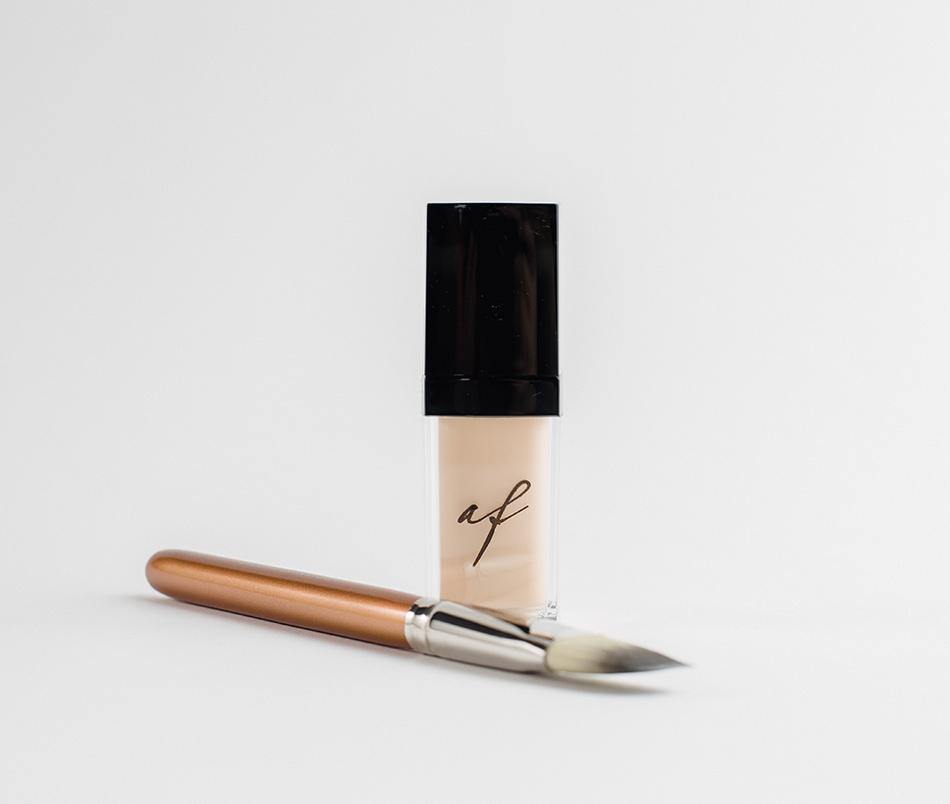
For a sheer versatile foundation try our Natural Finish Foundation and we recommend applying it using the Foundation Brush for a well blended effect.

Written by Adrienne Furrie